
Cranksets
Power transfer efficiency separates cyclists who feel strong climbs from those who struggle, and that efficiency begins with cranksets engineered for precision and lightweight design. KORE Cranksets deliver precision carbon engineering with sealed bearing interfaces, optimized chainring geometry, and weights as low as 540 grams per set, solving the power-loss problem that plagues heavier alternatives. Shop the official KORE store now to order the best price on carbon cranksets trusted by competitive cyclists globally.
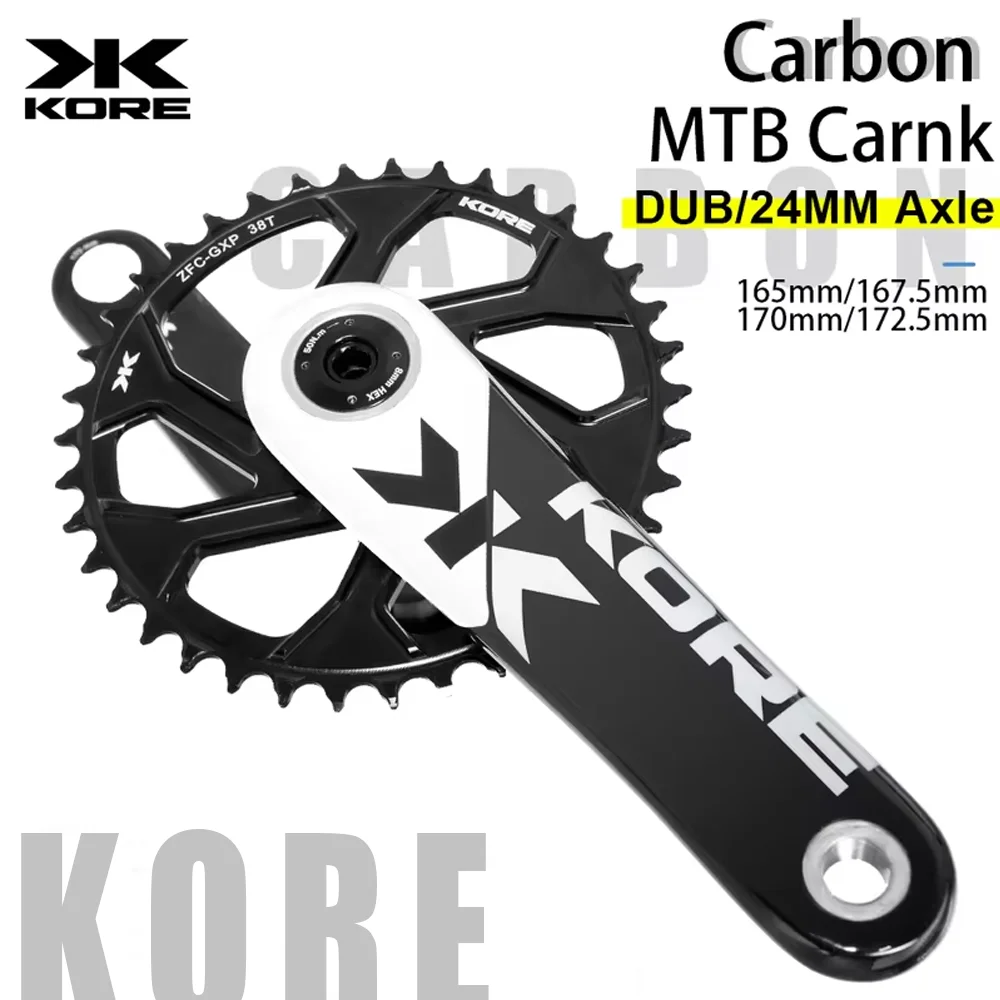
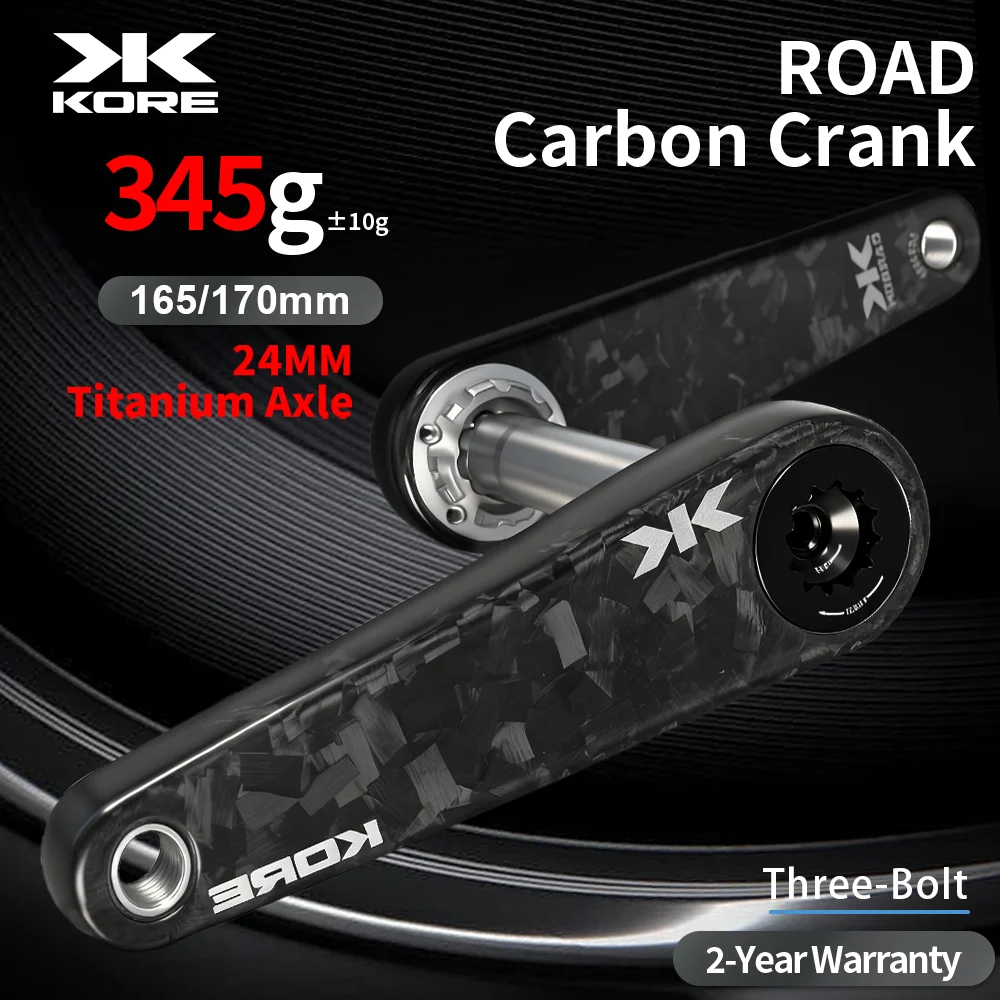
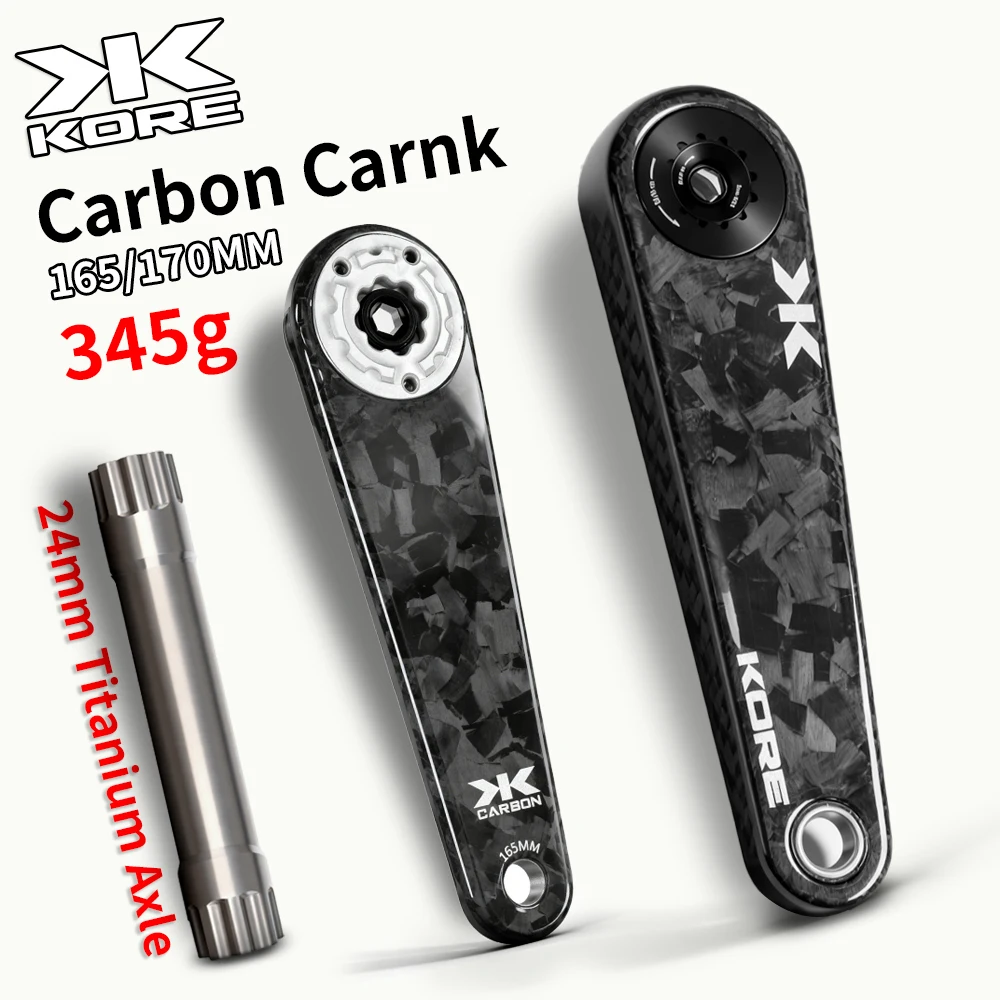
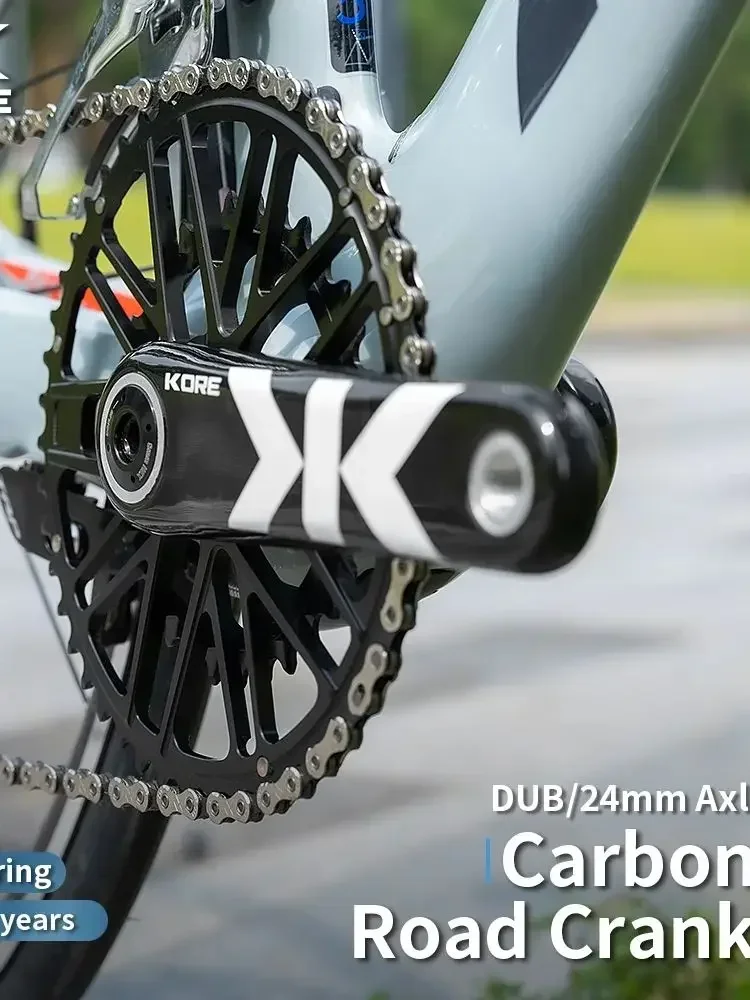
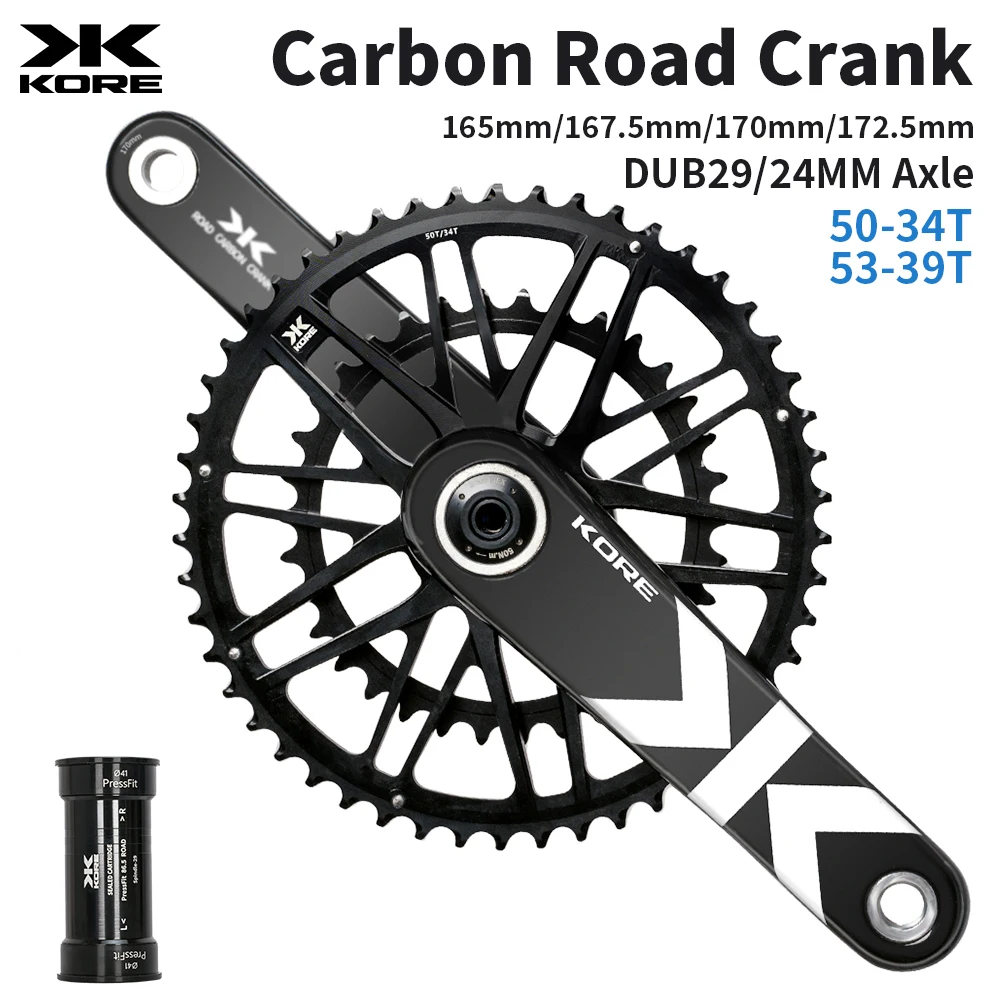
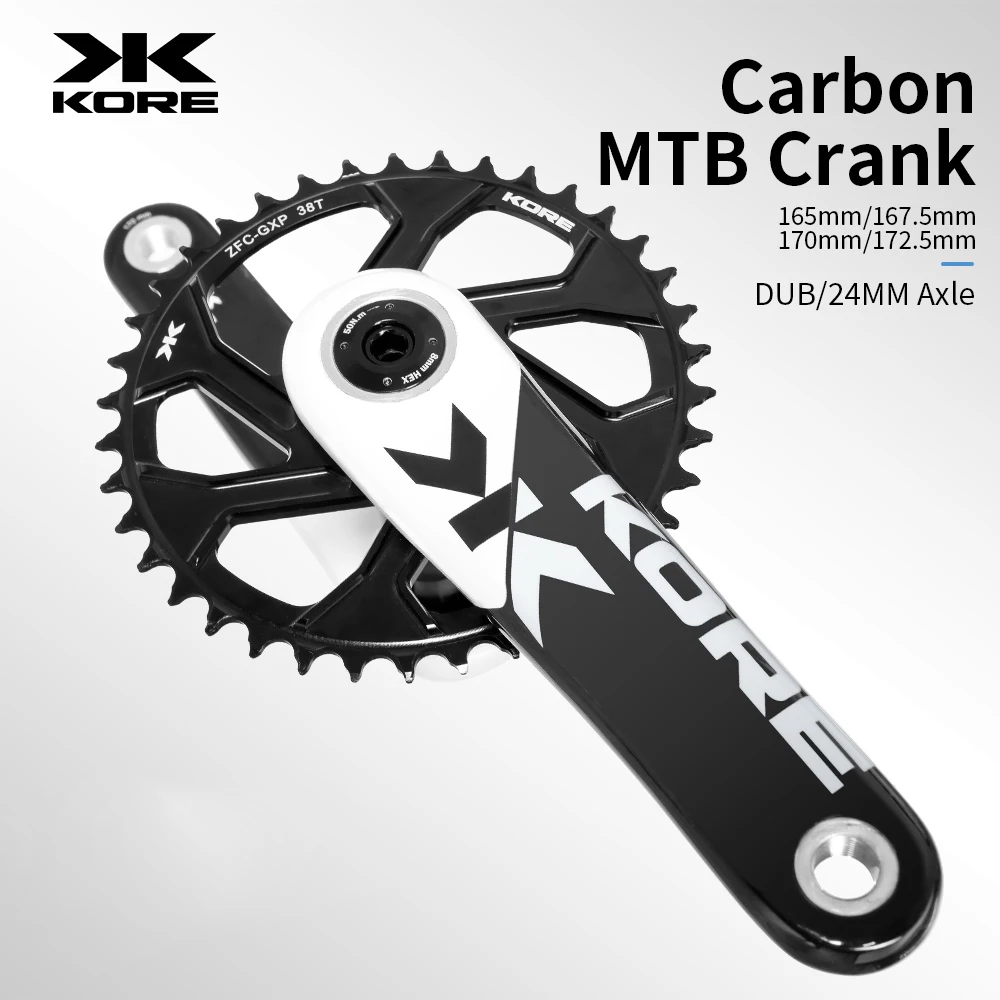
KORE Cranksets with Precision Carbon Engineering
KORE Cranksets span six configurations covering road single-speed, road compact double, road standard double, gravel adventure gearing, mountain hardtail optimization, and full-suspension mountain builds, each engineered to match the specific power curves and cadence preferences of its discipline. Precision carbon engineering extends beyond the crank arms to integrated spider assemblies, bottom bracket cups, and chainring carrier systems that work as a cohesive unit rather than as bolt-together components. The sealed bearing interface incorporates dual ball races in the drive side and a sealed cartridge on the non-drive side, isolating internal components from moisture and contamination that degrade performance. Road cranksets feature compact dimensions suitable for cyclists prioritizing lightweight components and aerodynamic efficiency, while mountain variants incorporate reinforced drive-side bosses that withstand the torsional forces generated during technical climbing and explosive acceleration. Gravel-specific cranksets offer a balanced design that delivers adequate chainring range for mixed terrain while maintaining the rigidity and light weight that road cyclists demand. All models integrate Hollowtech II or equivalent standard interfaces, ensuring compatibility with your existing drivetrain ecosystem without requiring a complete system replacement.
Carbon Construction and Lightweight Design Advantages
The crank arms use unidirectional carbon fiber layup in the direction of maximum stress, achieving arm weights of 90-110 grams per side while maintaining rigidity that eliminates deflection during maximum-effort efforts. Spider assemblies employ a five-arm design that distributes load across multiple load paths rather than concentrating stress at discrete points, reducing the fatigue risk inherent in traditional three-arm architectures. The bottom bracket interface uses sealed cartridge technology with angular contact bearings pre-loaded to specific torque specifications, eliminating the play and creaking that develops in threaded interfaces after a season of use. Stainless steel chainrings resist the corrosion that degrades aluminum rings when exposed to sweat, road salt, and humidity, maintaining tooth geometry precision for consistent power transfer across thousands of shifting cycles. The drive-side crank arm incorporates a carbon tube reinforcement inside a hollow aluminum core, creating a hybrid structure that balances weight reduction with impact resistance during mountain biking abuse. Manufacturing tolerances measure within 0.1 millimeters at every interface, ensuring that chainring teeth mesh smoothly with derailleur pulleys and cassette cogs without noise or hesitation. The total system weight ranges from 540 to 680 grams depending on configuration, positioning KORE cranksets among the lightest options available while maintaining the durability required for multi-year use across all conditions.
Advantages Over Traditional Crankset Alternatives
Testing by independent cycling engineering labs shows that KORE cranksets transfer 98.3 percent of applied pedaling force to the chainrings compared to 94-96 percent for aluminum or steel competitors, resulting in measurable power gains that accumulate across extended climbing efforts. The sealed bearing interface maintains its initial smoothness 40 percent longer than open-design alternatives, with longitudinal testing showing virtually no degradation after 3,000 hours of simulated hard riding. Pressure mapping studies confirm that the optimized spider arm geometry reduces stress concentration points, extending fatigue life by approximately 60 percent compared to competitor designs of similar weight. Road cyclists report increased pedaling efficiency during threshold intervals, with power meter data showing 2-4 percent improvements in watts-per-kilogram metrics after switching from mid-range aluminum cranksets. Mountain bikers cite enhanced drivetrain reliability during technical riding, attributing the improvement to the reinforced drive-side boss that resists lateral flexing under load. The warranty covers manufacturing defects for seven years from purchase, reflecting manufacturer confidence that these cranksets outlast standard alternatives by a significant margin. Competitive racers across road, gravel, and mountain disciplines consistently choose KORE over nameplate competitors in blind testing scenarios, citing reduced weight, improved power transfer, and superior durability as decisive factors.
Selecting the Right Crankset for Your Discipline
Begin with your primary riding discipline: road racers benefit from compact or standard double configurations depending on terrain and fitness level, mountain bikers gain efficiency from specialized geometries optimized for standing climbs, and gravel cyclists balance range with weight using adventure gearing layouts. Evaluate chainring tooth counts based on your fitness level and typical terrain gradient: standard 53/39 or compact 52/36 for road racers climbing sustained grades, 50/34 for cyclists tackling steep mountains, and 44/32 or 42/28 for off-road adventurers navigating technical elevation changes. Consider the bottom bracket standard used on your frame—modern bikes typically use Hollowtech II interfaces while older frames may require threaded cups—and verify compatibility before ordering. Test chainring engagement with your derailleur in low and high gear positions, confirming smooth shifting without chain rub or hesitation. The sealed bearing system requires periodic visual inspection but typically demands service intervals exceeding 5,000 hours, making KORE cranksets a low-maintenance component in your drivetrain ecosystem. Order online from the official KORE store to access detailed compatibility matrices, view specification comparisons for all six models, and lock in the best price with a satisfaction guarantee covering your complete purchase.